Weight And Momentum
How movement feels, measured
Most reviews describe movement with adjectives. This one describes it with acceleration curves, stopping distances and recovery frames, and then argues about whether the numbers produce the feeling the game was after.
A heavy action game where the character accelerates over eleven frames and decelerates over nineteen, and where every one of those frames is doing narrative work. We measured the whole moveset and then argued for two weeks about whether it is generous or merely slow.
Each game was played for a minimum of fifteen hours with the same controller on the same display, and every figure below was taken from high-frame-rate capture rather than from feel. Where a game offers movement options, the review states which configuration was measured.

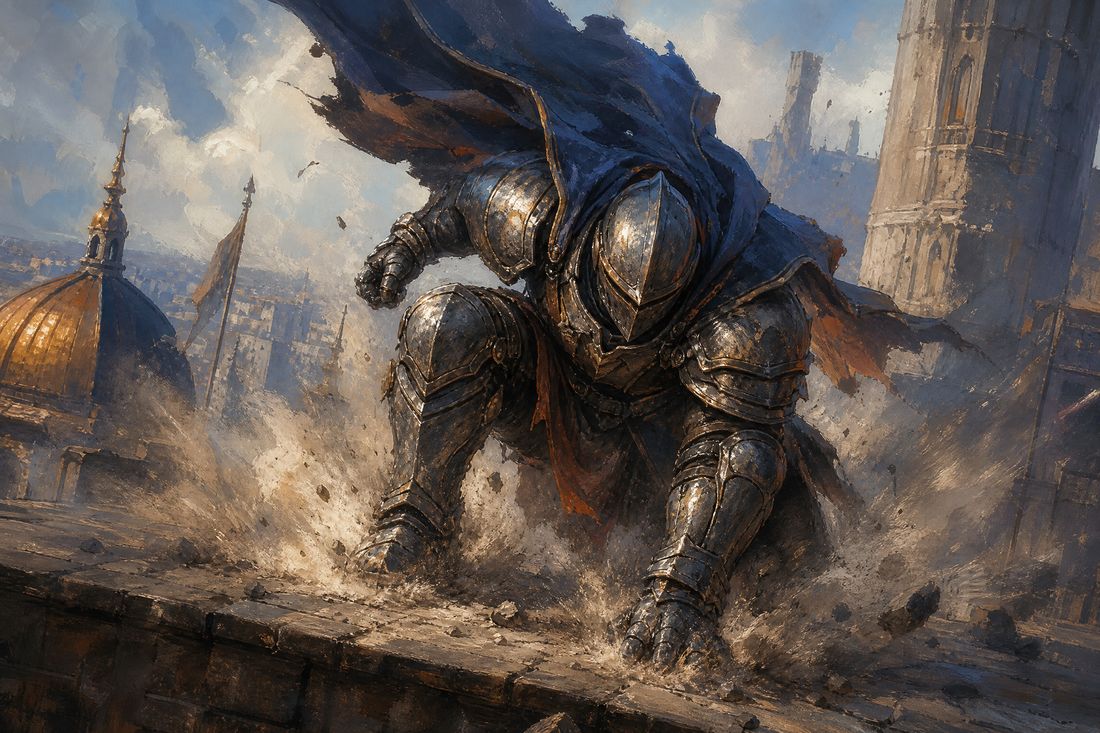
Eleven frames to reach full speed, nineteen to stop, and a direction change that costs four frames of commitment you cannot cancel. The result is a character who feels expensive to move, which is exactly the point, and which will lose the game a substantial number of players in its first hour.

Two frames of acceleration, instant stop, and a jump arc that ignores momentum entirely. Physically absurd and completely correct: this is a game about precision, and every gram of mass it might have added would have made the hardest sections a lottery rather than a test.

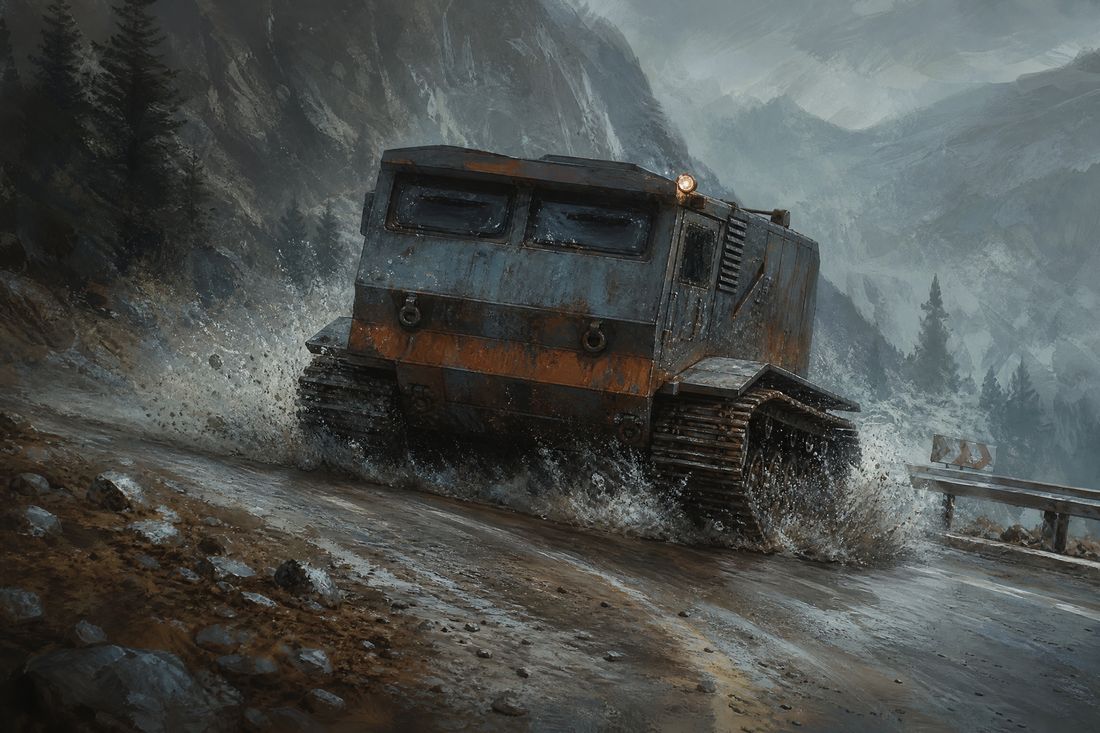
The most interesting failure in the issue. The vehicles are modelled as heavy, described as heavy and lit as heavy, and then handle like something a quarter of their stated mass. We measured the discrepancy, and it is not subtle: the fiction and the physics are running two different games.

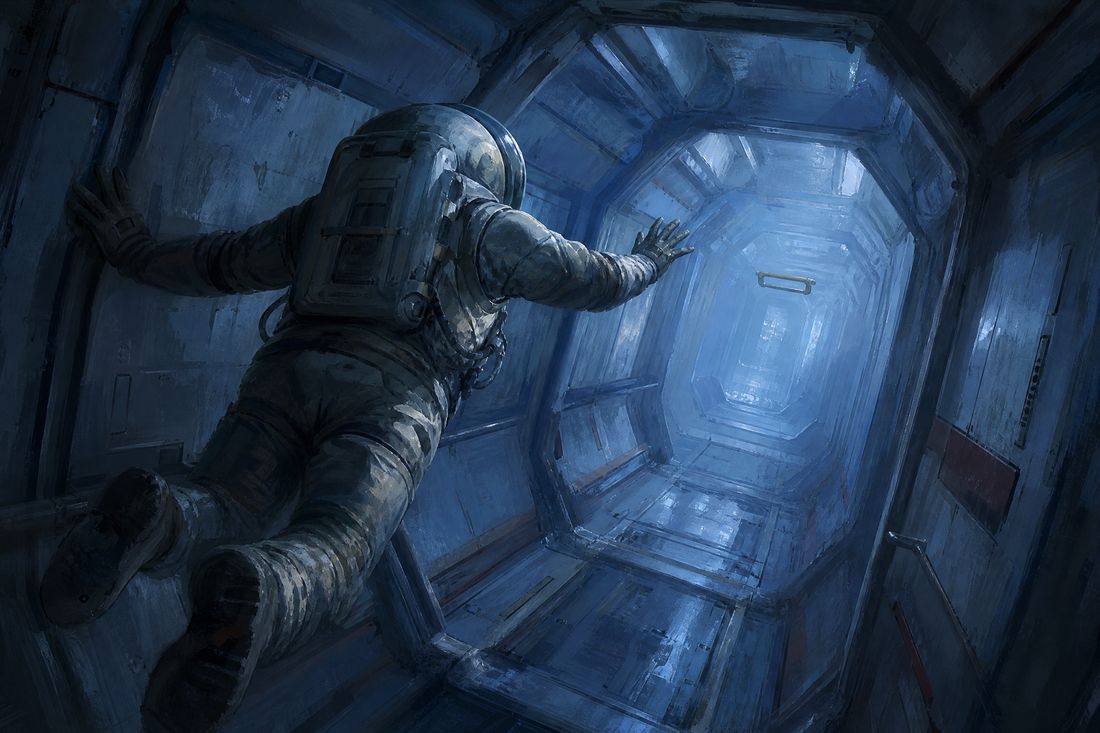
No brake, no air resistance and no forgiving snap-to-handhold. Push off badly and you spend nine seconds finding out. The most physically committed movement system we have measured, and the only one in this issue where the discomfort is the entire design.

A traversal game that quietly refuses to let the player stop. Release the stick mid-run and the character keeps 82% of speed for eleven frames before decaying, and a mistimed input is converted into a slower version of the right move rather than a fall. Forgiving in a way that took us a while to notice and longer to approve of.

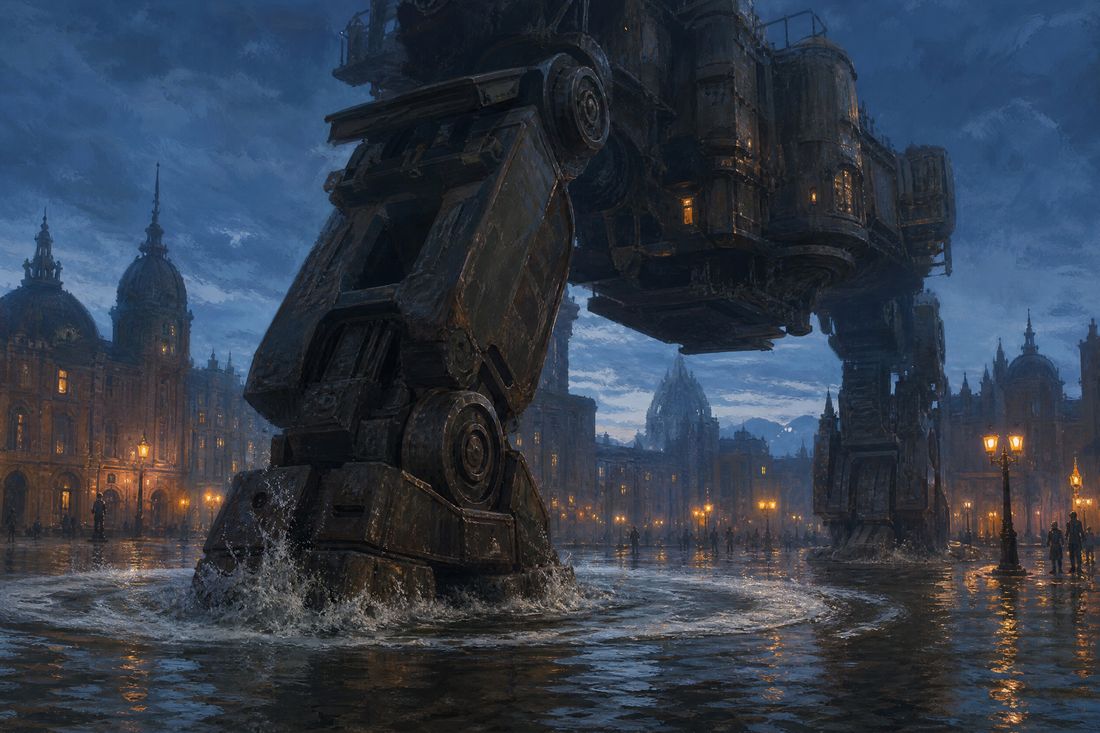
Locomotion built entirely from commitment: a step, once started, completes. Turning is a sequence rather than an input. The camera shakes at a frequency we measured against the step cadence and found deliberately just off it, which is why the machine feels like it is straining rather than marching.
Every review of every action game contains the words responsive, weighty, floaty or tight, and none of those words survives contact with a second opinion. Two people can play the same game for an hour and one will call the movement heavy while the other calls it sluggish, and they are describing the same eleven frames of acceleration.
The measurements do not settle the argument. They relocate it. Once everyone agrees that the character reaches full speed in eleven frames and stops in nineteen, the disagreement becomes interesting: is that asymmetry good design for this game, and does it deliver the feeling the fiction promised? That is a question worth arguing about, and it cannot be asked at all while the participants are trading adjectives.
Weighty is not a property of a game. It is a sensation produced by numbers, and the numbers can be read.
The other reason is that movement is the part of a game a player touches most. A twenty-hour role-playing game might contain four hours of combat and two of dialogue; it contains twenty hours of moving. A movement system that is two frames wrong is wrong for the entire duration, and it is remarkable how rarely that gets discussed with any precision.
Issue seven contains one game whose numbers and fiction disagree completely — sixteen tonnes behaving like four — and one whose numbers are physically ridiculous and entirely right, which is the platformer with no mass at all. Reading those two against each other is the fastest way to understand what this publication thinks it is doing. Realism is not the standard. Coherence is.
Our method page sets out how the captures are taken, what a frame count does and does not tell you, and why we publish deceleration separately from acceleration when most technical writing treats them as one figure.
Weight And Momentum is an independent quarterly written by three people who buy the games, play them for at least fifteen hours each, and capture the movement at 240 frames per second before writing a word. It is published at qivupane.pro and nowhere else.
Corrections to any published figure are welcome and answered within a few days. There is no advertising on this site, nothing to buy, and no newsletter to join.
Email the bench
One address, shared by all three writers. Read most evenings.